A new market for what you already grow
FOR FARMERS & REGIONAL PRODUCERS
FARM GATE TO FUEL TANK — AND BACK AGAIN
FARM GATE TO FUEL TANK — AND BACK AGAIN
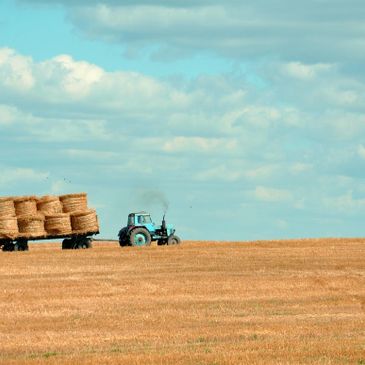
WA's grain belt produces two of the world's most valuable renewable fuel feedstocks: canola oil and cereal straw. Canola is an established, high-value crop. Straw is a harvest by-product that most grain farmers currently manage as a cost.
"We are not asking farmers to change what they grow. We are creating a contracted market for what they
WA's grain belt produces two of the world's most valuable renewable fuel feedstocks: canola oil and cereal straw. Canola is an established, high-value crop. Straw is a harvest by-product that most grain farmers currently manage as a cost.
"We are not asking farmers to change what they grow. We are creating a contracted market for what they already produce — including what they currently manage as waste."
Our model places facilities inside the feedstock catchment — within 50 km of the farms that supply them. Farmers supply canola seed and wheat straw under long-term agreements providing price certainty independent of commodity market cycles. In return, they receive canola meal, digestate under a formal MOU, and biochar for soil application. This mutual dependency is the foundation of a durable supply chain.
FARM GATE TO FUEL TANK — AND BACK AGAIN
FARM GATE TO FUEL TANK — AND BACK AGAIN
FARM GATE TO FUEL TANK — AND BACK AGAIN
Regional farm
↓
Supply agreement
↓
Local facility
↓
RD / SAF / biogas
↓
Meal + digestate + biochar back

STRATEGIC POSITION
FARM GATE TO FUEL TANK — AND BACK AGAIN
STRATEGIC POSITION
50 km Feedstock catchment — canola and straw sourced locally
New Paid farmgate market for wheat straw — a residue management cost becomes contracted revenue
~36% Protein in canola meal returned to local livestock producers
ACCU Biochar application enables access to emerging soil carbon credit markets
Long-term Multi-year supply agreements providing price certainty